How to unlock hydrostatic transmission on a John Deere?
To unlock a John Deere hydrostatic transmission, locate the bypass valve or freewheel lever—typically found on the rear axle or transmission housing. Push or turn it back to the engaged (drive) position from the tow/freewheel position. Consult your operator's manual for the exact location on your model. If the transmission still won't engage after resetting the bypass valve, internal wear or a charge pump issue may be the cause.
What are the most common reasons a hydrostatic transmission won't engage?
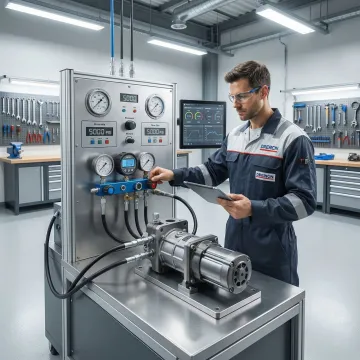
The most common causes include a bypass valve left in the tow or freewheel position, low or contaminated hydraulic fluid, a worn or failing charge pump that can't build sufficient pressure, clogged hydraulic filters, worn internal pump or motor components, and damaged seals or O-rings causing pressure loss. A thorough pressure and flow test is the best way to pinpoint the exact cause.
What does the bypass valve do on a hydrostatic transmission?
The bypass valve allows the transmission to freewheel—meaning the equipment can be pushed or towed without the engine running. When the bypass valve is open (in tow mode), hydraulic fluid bypasses the drive circuit, so the transmission will not engage even when the engine is running. Always ensure the bypass valve is fully closed and secured before attempting to drive the machine.
Can low hydraulic fluid cause a hydrostatic transmission not to engage?
Yes. Hydrostatic transmissions rely on pressurized fluid to transmit power. Low fluid levels reduce the system's ability to build the charge pressure needed to engage the pump and motor. Over time, fluid contamination with debris or water can also damage internal components. Always check fluid level and condition first when diagnosing engagement problems, and replace fluid per manufacturer intervals.
What is a charge pump and how does it affect transmission engagement?
The charge pump is a small auxiliary pump that maintains a minimum positive pressure in the hydrostatic circuit, preventing cavitation and ensuring the main pump has enough fluid to operate. If the charge pump is worn or damaged, it cannot maintain adequate pressure, causing the transmission to slip, hesitate, or fail to engage entirely. A charge pump rebuild or replacement is often required in these cases.
Is it worth rebuilding a hydrostatic transmission or should I replace it?
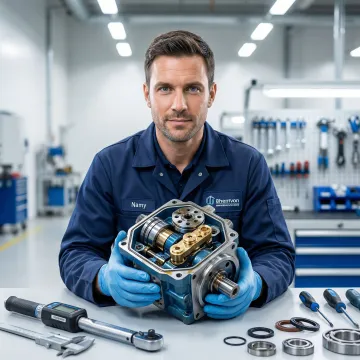
In most cases, rebuilding is more cost-effective than full replacement, especially for industrial, agricultural, or construction equipment. A professional rebuild restores the unit to OEM specifications, and reputable rebuilders like Hydrostatic Transmission Service provide a 1-year warranty on all rebuilt units. An exchange program—where you receive a pre-tested rebuilt unit immediately—can further reduce downtime compared to waiting for a new unit.
How long does it take to rebuild a hydrostatic transmission?
A professional hydrostatic transmission rebuild typically takes several business days, depending on the brand, model, parts availability, and the extent of internal damage. To minimize equipment downtime, Hydrostatic Transmission Service offers a Short-Time exchange program where a quality-tested, warranted rebuilt unit is shipped quickly while your original unit is being rebuilt and inspected.
Does a rebuilt hydrostatic transmission come with a warranty?
Yes. All hydrostatic drives, pumps, and motors rebuilt by Hydrostatic Transmission Service come with a full 1-year warranty. Each unit is disassembled, cleaned, measured against manufacturer specifications, pressure and flow tested, and inspected for quality before shipping. The warranty covers the rebuilt unit against defects in workmanship and parts, giving you confidence in the longevity of the repair.